
Select Page

William DePippo’s Blog

Fall Prevention Strategies in High-Risk Construction Zones

Falls remain one of the leading causes of injury and death in the construction industry, accounting for a significant percentage of all workplace fatalities. High-risk construction zones—such as those involving roofing, scaffolding, steel erection, or elevated work...
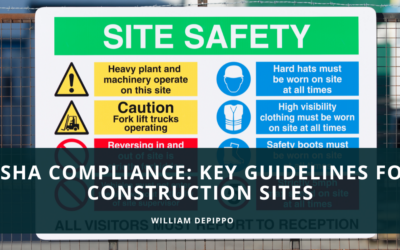
OSHA Compliance: Key Guidelines for Construction Sites

Compliance with OSHA (Occupational Safety and Health Administration) regulations is a fundamental requirement for any construction site in the United States. OSHA’s mission is to ensure safe and healthful working conditions by setting and enforcing standards and...
Leveraging Technology to Improve Construction Site Safety

The construction industry is experiencing a technological revolution that’s transforming every aspect of how projects are planned, managed, and executed. One of the most impactful areas of innovation is safety. New technologies are offering construction professionals...
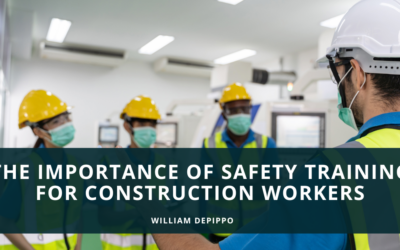
The Importance of Safety Training for Construction Workers

Construction sites are inherently dangerous environments. Heavy machinery, elevated work areas, electrical systems, and unpredictable weather conditions are just a few of the hazards workers face daily. While safety equipment plays a vital role, it is safety training...
How to Create an Effective Construction Safety Plan

A well-developed construction safety plan is not just a regulatory requirement—it’s a blueprint for preventing accidents, minimizing risk, and ensuring the well-being of everyone on the job site. It outlines procedures, responsibilities, and resources to promote a...
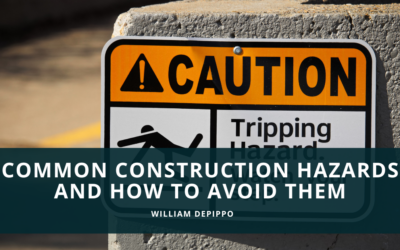
Common Construction Hazards and How to Avoid Them

Construction sites are inherently risky environments filled with heavy machinery, elevated surfaces, sharp tools, and volatile materials. While these hazards are part of the industry, many injuries and accidents can be prevented with awareness, proper training, and...
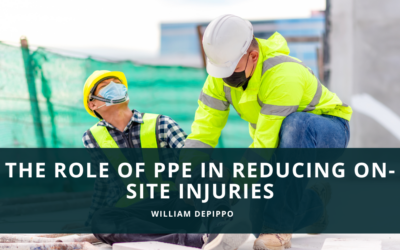
The Role of PPE in Reducing On-Site Injuries

Construction sites are inherently hazardous, with risks ranging from falling debris to chemical exposure. One of the most effective lines of defense in preventing on-site injuries is personal protective equipment (PPE). While safety protocols and training play...
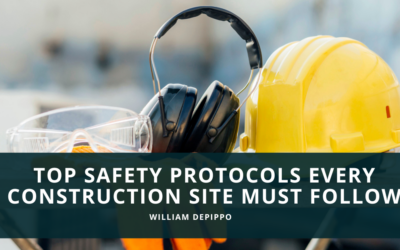
Top Safety Protocols Every Construction Site Must Follow

Construction sites are dynamic environments filled with potential hazards. Ensuring safety is not just about following rules—it’s about protecting lives, maintaining productivity, and meeting regulatory standards. Implementing robust safety protocols on every...
Fall Prevention Strategies in High-Risk Construction Zones

Fall Prevention Strategies in High-Risk Construction Zones

Falls remain one of the leading causes of injury and death in the construction industry, accounting for a significant percentage of all workplace fatalities. High-risk construction zones—such as those involving roofing, scaffolding, steel erection, or elevated work...

OSHA Compliance: Key Guidelines for Construction Sites

OSHA Compliance: Key Guidelines for Construction Sites

Compliance with OSHA (Occupational Safety and Health Administration) regulations is a fundamental requirement for any construction site in the United States. OSHA’s mission is to ensure safe and healthful working conditions by setting and enforcing standards and...

Leveraging Technology to Improve Construction Site Safety

Leveraging Technology to Improve Construction Site Safety

The construction industry is experiencing a technological revolution that’s transforming every aspect of how projects are planned, managed, and executed. One of the most impactful areas of innovation is safety. New technologies are offering construction professionals...

The Importance of Safety Training for Construction Workers

The Importance of Safety Training for Construction Workers

Construction sites are inherently dangerous environments. Heavy machinery, elevated work areas, electrical systems, and unpredictable weather conditions are just a few of the hazards workers face daily. While safety equipment plays a vital role, it is safety training...

How to Create an Effective Construction Safety Plan

How to Create an Effective Construction Safety Plan

A well-developed construction safety plan is not just a regulatory requirement—it’s a blueprint for preventing accidents, minimizing risk, and ensuring the well-being of everyone on the job site. It outlines procedures, responsibilities, and resources to promote a...

Common Construction Hazards and How to Avoid Them

Common Construction Hazards and How to Avoid Them

Construction sites are inherently risky environments filled with heavy machinery, elevated surfaces, sharp tools, and volatile materials. While these hazards are part of the industry, many injuries and accidents can be prevented with awareness, proper training, and...

The Role of PPE in Reducing On-Site Injuries

The Role of PPE in Reducing On-Site Injuries

Construction sites are inherently hazardous, with risks ranging from falling debris to chemical exposure. One of the most effective lines of defense in preventing on-site injuries is personal protective equipment (PPE). While safety protocols and training play...

Top Safety Protocols Every Construction Site Must Follow

Top Safety Protocols Every Construction Site Must Follow

Construction sites are dynamic environments filled with potential hazards. Ensuring safety is not just about following rules—it’s about protecting lives, maintaining productivity, and meeting regulatory standards. Implementing robust safety protocols on every...