
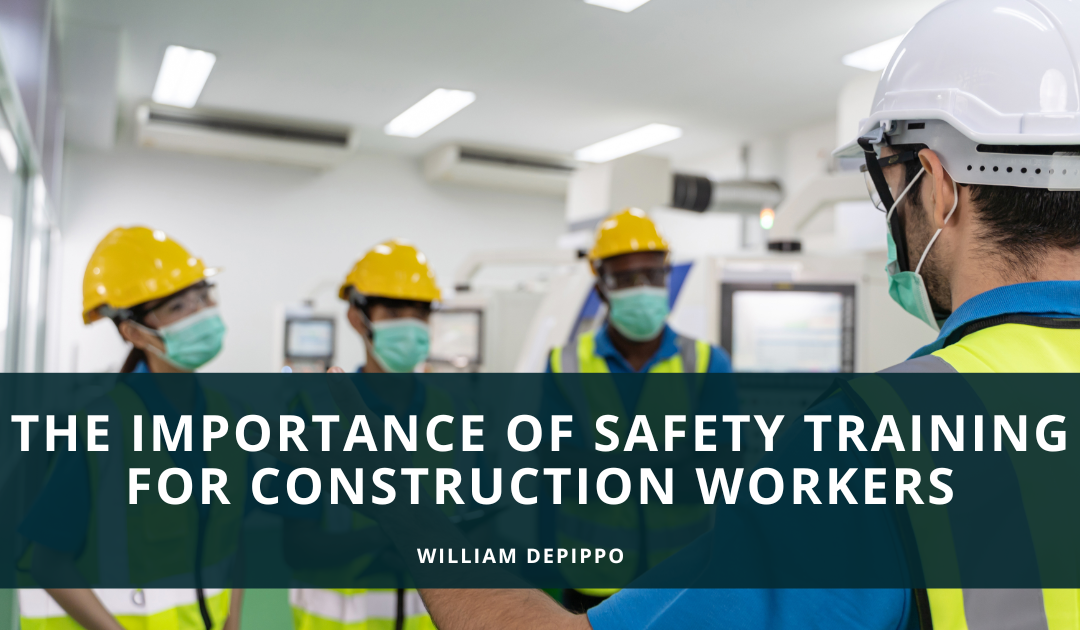
Construction sites are inherently dangerous environments. Heavy machinery, elevated work areas, electrical systems, and unpredictable weather conditions are just a few of the hazards workers face daily. While safety equipment plays a vital role, it is safety training that provides the knowledge and confidence workers need to navigate risks and make smart, proactive decisions. Comprehensive safety training is not just a regulatory requirement—it’s a critical investment in the well-being of every worker on the job site.
One of the most important benefits of safety training is the reduction in workplace injuries and fatalities. Properly trained workers are more aware of potential hazards and better equipped to avoid them. Whether it’s understanding how to operate a forklift safely, knowing when to use fall protection equipment, or being able to identify signs of structural instability, well-trained workers are significantly less likely to suffer or cause accidents. This not only protects individual workers but also creates a safer environment for the entire team.
Training also ensures that workers understand and comply with regulations set by agencies such as the Occupational Safety and Health Administration (OSHA). Non-compliance can lead to costly fines, project delays, and legal consequences. More importantly, it can endanger lives. Safety training ensures that every worker knows their rights and responsibilities under these regulations. It teaches them how to report unsafe conditions, how to use safety gear correctly, and how to respond in emergency situations.
Another advantage of safety training is improved productivity. When workers feel safe and confident, they are able to focus on their tasks without the added stress of uncertainty or fear of injury. Safe workers are often more efficient because they are not slowed down by accidents, investigations, or equipment mishandling. They can complete tasks properly the first time, which reduces the need for rework and helps keep projects on schedule.
Safety training also plays a crucial role in cultivating a positive workplace culture. It fosters open communication and mutual respect between workers and management. When employers show a commitment to training and safety, workers feel valued and are more likely to take ownership of their responsibilities. This shared commitment to safety can lead to increased morale, lower turnover rates, and a stronger sense of teamwork.
Moreover, safety training is not a one-time event. The construction industry constantly evolves with new materials, technologies, and techniques, and safety protocols must evolve with them. Regular refresher courses help workers stay current with best practices and maintain a high level of preparedness. These ongoing training sessions also serve as valuable opportunities to address specific issues that arise on a particular site or within a certain team.
Effective safety training should be hands-on, engaging, and tailored to the specific risks of the job site. Interactive learning methods such as simulations, group discussions, and on-the-job demonstrations are often more effective than simply handing out safety manuals. Training should also be inclusive, ensuring that language barriers, literacy levels, and learning styles are taken into account so that every worker fully understands the information being presented.
Investing in safety training also has financial benefits. Fewer accidents mean lower insurance premiums, less downtime, and reduced workers’ compensation claims. These savings can be reinvested into further safety improvements, better equipment, or additional training initiatives. Over time, a strong safety record can also enhance a company’s reputation, making it more attractive to clients and partners who prioritize reliability and responsibility.
In the end, construction safety training is more than a protocol—it’s a mindset. It teaches workers to recognize hazards, think critically, and prioritize safety in every decision they make. It empowers them to take an active role in creating a secure work environment for themselves and their colleagues. When safety is integrated into the core of a company’s values and practices, the results are clear: fewer injuries, better performance, and a stronger, more resilient workforce.